Eight names appear near the close of a page in the family manuscript we have been studying with Mum. After the last name come four words: "and many other wāhine."
The page is headed "Nga Tupuna o Teoti Eruera Henare." It is page 10 of a 64-page record. In the closing passage, the compiler writes about remembrance, tūpuna and the land where they lived, then describes gentle breezes across Kura-te-au and Ara-paoa carrying the signs of the people named there.
The names are written in this order:
Hika-Mapu
Hika-Nui
Marata Te Naihi Ewai
Mere Te Kawau
Tu-Te-Rangi-Whanoa
Harata Te Wera
Heni Mimikau
Haneta Toea
"And many other wāhine." The sentence acknowledges more people than the eight it names. Each written name gives a later reader something to recognise, ask about and follow through another family record.
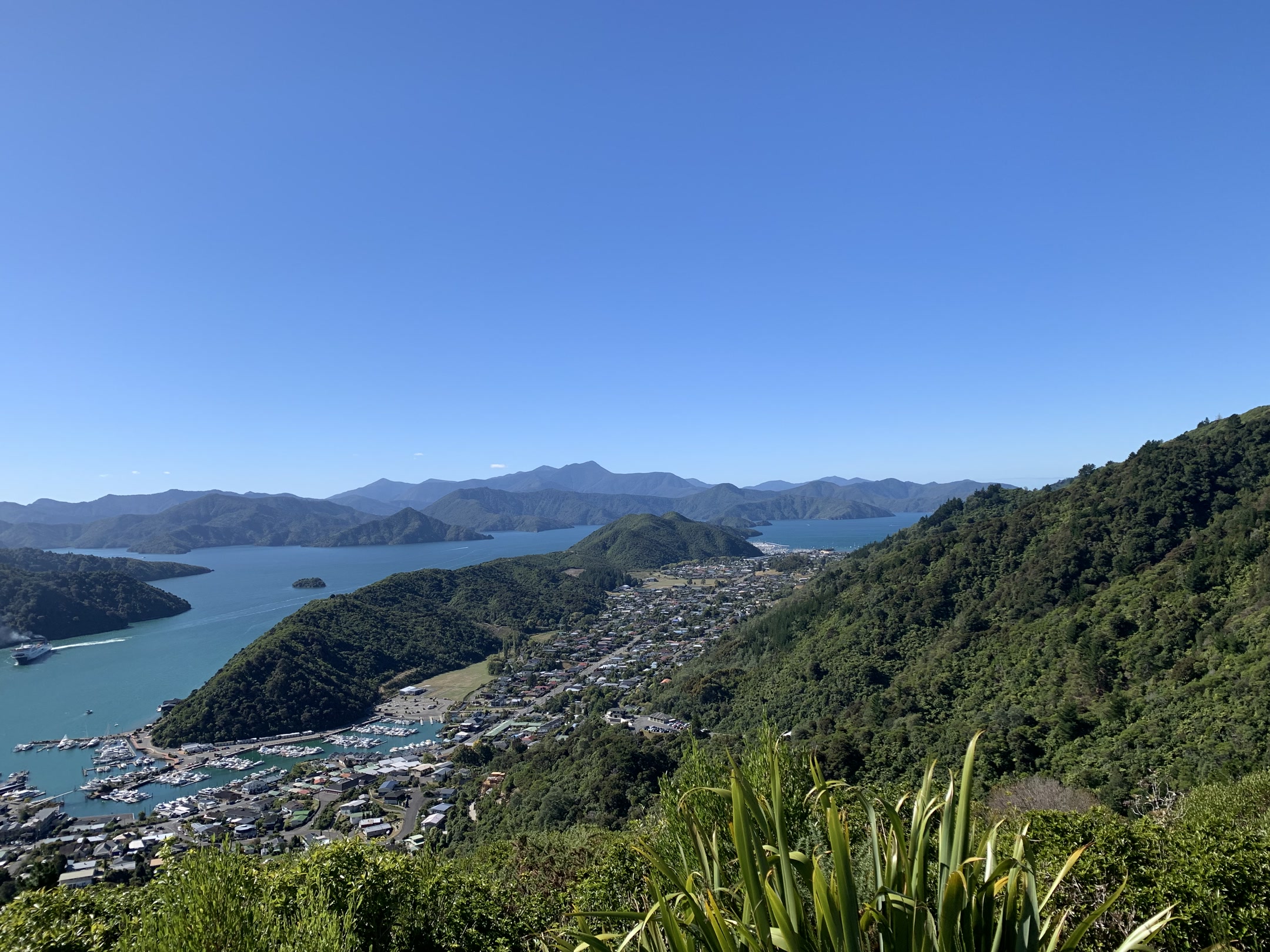
The places help us read the passage too. The National Library identifies Kura Te Au as Tory Channel and Arapaoa as the island in Te Tauihu, at the top of the South Island. Its account places both names among those associated with Kupe. These are named places in the Marlborough Sounds, carrying histories of their own alongside the family names on the page.
Rāwiri Taonui's account in Te Ara explains how whakapapa was recalled through waiata, oriori and stories connected to the landscape. Oriori were chanted to children. Trained experts held interlocking genealogies, and some used rākau whakapapa, sticks with ridges representing ancestors, as they recited. With writing, whakapapa was also recorded in manuscripts and books, which were handled carefully and regarded as tapu.
That history gives depth to a page such as this. A name, a place and a remembered story can support one another. The written record gives later generations another way to return to those connections.
Witnesses in the Waitangi Tribunal's Mana Wāhine inquiry described wāhine holding and passing on knowledge through waiata, karakia, stories, art and raising tamariki. They also described female and male elders deciding which mokopuna would learn particular knowledge, including whakapapa. Those accounts provide wider context for the work of carrying knowledge between generations. The family page itself does not set out the individual lives or roles of these eight people.
We have kept the names as they appear in the manuscript. If you recognise one from your own family's records or kōrero, Steve and I would be grateful to hear what you know. Another record, a remembered name or a carefully identified photograph could help us understand the people behind this passage.
Anthony / Ahuru
◆